Eco-Friendly Makeovers: Upcycling Trash into Functional and Artistic Pieces
In today's fast-paced consumer-driven society, eco-friendly makeovers have become more than just a trend--they are a necessity for a sustainable future. With growing environmental concerns and overflowing landfills, upcycling trash into functional and artistic pieces is an innovative solution that marries creativity with environmental consciousness. This comprehensive guide aims to inspire and inform you about how everyday waste can be transformed into remarkable items for your home, garden, or personal use.
What Is Upcycling and Why Is It Important?
Upcycling is the process of taking discarded, useless, or unwanted materials and converting them into products of higher quality or value than the original. Unlike recycling, which often breaks down materials for reuse, upcycling focuses on adding value through creativity and functionality. Eco-friendly makeovers through upcycling can reduce waste, save resources, and spark artistic expression, all while promoting a greener planet.
Key Benefits of Upcycling Trash
- Reduces landfill waste: By giving new life to discarded items, we cut down on the amount of waste entering our landfills every day.
- Conserves natural resources: Repurposing materials means less demand for raw resources such as wood, metal, or plastic.
- Saves energy: Upcycling generally requires less energy than recycling or manufacturing new products.
- Encourages creativity and innovation: Designing artistic pieces from trash can be a fun and rewarding process.
- Supports sustainable living: Upcycling nurtures mindful consumption and responsible waste management.

Eco-Friendly Makeover Strategies for Your Home
Transforming trash into functional and decorative pieces doesn't require extensive experience. Begin with simple projects and expand as you gain confidence. Below are some eco-friendly makeover ideas to get you started:
1. Repurposing Glass Jars and Bottles
- Vases and planters: Clean old pasta jars or beverage bottles, paint or decorate them, and use them to display flowers or small plants.
- Kitchen storage: Organize dry goods using glass jars. Add chalkboard labels for a rustic touch.
- Light fixtures: Creatively drill holes and add LED lights to make unique pendant or table lamps.
2. Wooden Pallet Transformations
- Furniture: Convert shipping pallets into coffee tables, bookshelves, or even bed frames.
- Garden planters: Stacked and painted pallets make perfect vertical gardens for herbs or flowers.
- Wall art: Assemble slats into creative wall hangings or photo backdrops, adding paint or stencils for personal flair.
3. Cardboard and Paper Creations
- Organizers: Use sturdy cardboard boxes to create drawer organizers or desk tidies. Cover them with decorative paper for a chic look.
- Kids' toys and crafts: Encourage children's creativity by transforming boxes into playhouses, puzzles, or costume pieces.
- Recycled notebooks: Bind leftover paper into homemade journals or sketchbooks.
4. Textile Upcycling
- Rag rugs: Weave old T-shirts or fabric scraps into colorful rugs.
- Pillow covers: Turn out-of-fashion garments into vibrant throw pillow covers.
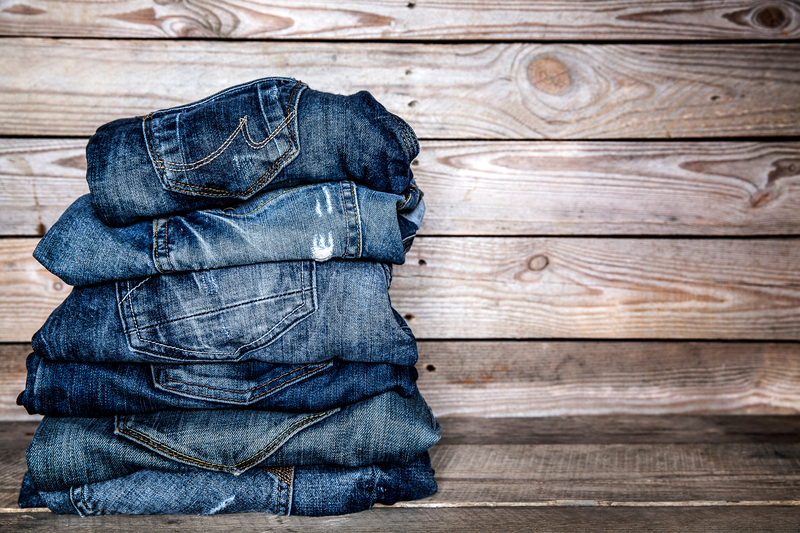
- Reusable shopping bags: Sew tote bags from worn sheets, curtains, or jeans for a practical, stylish alternative to single-use plastic.
The Artistic Side of Upcycling: From Trash to Masterpiece
For those seeking to challenge their creativity, turning discarded materials into artistic pieces can result in stunning and conversation-starting works. Whether you're a hobbyist or a professional artist, found-object art and design can breathe new life into the mundane.
Notable Methods and Mediums
- Assemblage art: Combine assorted materials like old tools, broken appliances, and scrap metal to create unique sculptures.
- Mosaic from broken ceramics: Assemble pieces of cracked plates, mugs, or tiles into eye-catching mosaics for tabletops, flower pots, or outdoor benches.
- Jewelry from electronic waste: Repurpose circuit boards, keyboard buttons, and wires into bold pendants, earrings, or brooches.
Famous Examples and Inspiration
- Vik Muniz: This Brazilian artist is renowned for creating large-scale portraits from everyday trash, highlighting both beauty and environmental issues.
- El Anatsui: Known for his breathtaking installations made from bottle caps and scrap metal, Anatsui bridges craft, history, and environmental awareness.
Best Practices for Successful Upcycled Eco-Friendly Makeovers
Follow these essential tips to ensure your eco-friendly makeovers are safe, effective, and truly sustainable:
- Clean thoroughly: Always wash and sanitize materials to remove residues, labels, and odors.
- Plan and design: Sketch your ideas and explore online resources for inspiration before starting a project.
- Use non-toxic materials: Opt for eco-friendly paints, adhesives, and finishes to minimize environmental impact.
- Prioritize safety: Wear protective gear when cutting, sanding, or handling sharp or rusty items.
- Upcycle locally: Source materials from household waste or community freecycling groups to keep your carbon footprint low.
Upcycling Project Ideas for Every Room
With a little imagination, any room in your house can benefit from an eco-friendly makeover. Here are inspiring ideas to fill your spaces with personality and purpose:
Living Room
- Upcycled coffee table: Stack old magazines, wooden crates, or glass panels to create a bespoke centerpiece.
- Entertainment unit: Convert an antique dresser into a modern TV stand or bookshelf.
Kitchen
- Utensil holders: Tin cans become stylish holders for cutlery, spatulas, or pencils with a coat of paint or wrapping.
- Herb planters: Use egg cartons, teacups, or food tins to start a countertop herb garden.
Bedroom
- Headboards: Repurpose doors, shutters, or pallets for a rustic reclaimed wood look.
- Jewelry holder: Mount a grater, branch, or embossed metal tray on the wall for hanging earrings and necklaces.
Outdoor Spaces
- Vertical gardens: Attach shoe organizers, bottles, or wooden pallets to fences or walls for a lush vertical display.
- Garden seating: Stack tires or use old bathtubs as quirky seating or planters.
Tips for Finding and Choosing Materials
The key to successful eco-friendly makeovers is finding quality materials that are safe and suitable for your intended project. Consider these tips:
- Look in unexpected places: Garage sales, flea markets, and thrift stores can yield unique finds.
- Ask friends and neighbors: Many people are happy to offload unused items and may even be inspired by your creativity.
- Scan your own recycling bin: Bottles, jars, cans, and boxes are easily available and versatile.
- Check local businesses: Restaurants, workshops, or offices often dispose of large quantities of potential upcycling gold.
Eco-Friendly Makeovers as a Community Movement
The drive for eco-friendly makeovers is growing into a powerful community-based movement. Workshops, swap meets, and online platforms like Pinterest or Instagram have made it easier than ever to share project ideas, collaborate, and encourage one another.
Organizing or Joining Local Upcycling Groups
- Workshops: Many cities offer upcycling classes that teach skills from woodworking to textile manipulation, providing both tools and camaraderie.
- Upcycle swaps: Monthly or seasonal events allow participants to trade or donate materials, fostering a spirit of reuse.
- Online forums and social media groups: Join Facebook groups or Reddit communities dedicated to upcycling for endless inspiration and support.
Challenges and How to Overcome Them
Though immensely rewarding, upcycling trash into functional and artistic pieces can come with challenges:
- Quality concerns: Not all trash is safe or suitable for reuse. Avoid hazardous materials or anything that shows signs of mold or contamination.
- Skill level: Some projects require tools or techniques you may not possess. Seek out tutorials or local makerspaces for training.
- Time investment: Upcycling can take longer than buying new. Embrace the process and view each project as a creative journey.
- Storage space: Collecting materials can lead to clutter. Limit storage to items you have a clear, near-term plan for.
Conclusion: The Joy and Value of Upcycling
Eco-friendly makeovers not only help mitigate the mounting problems of waste and pollution but also bring beauty, functionality, and personal satisfaction to your daily life. By approaching every item with a spirit of possibility, you can transform your home, inspire friends and family, and contribute meaningfully toward a more sustainable world.
Whether you are fashioning a garden bench from pallets, a handmade lamp from bottles, or wall art from discarded tech, remember: every piece upcycled is one less thing in a landfill and one more step toward a greener, healthier world. So gather your materials, ignite your imagination, and start your own journey of upcycling trash into functional and artistic pieces today!